11 May 2026

Make May Purple: Spotting Stroke Signs and Supporting Life After Stroke

May is Stroke Awareness Month in the UK, led by the Stroke Association’s “Make May Purple / Action on Stroke Month” campaign. It’s a chance to shine a light on how to spot a stroke quickly, how to reduce risk, and how to better support people living with the long‑term effects – many of whom are in later life.

Why Stroke Awareness Matters

Around 100,000 people in the UK have a stroke each year, and it can change a life in seconds. Depending on which part of the brain is affected, a stroke can impact movement, speech, memory, vision and independence. Acting quickly at the first sign of symptoms gives the best chance of limiting damage and improving recovery.

For families and carers, including those supported by Altogether Care, understanding what to look for – and what to do – can be life‑saving.

The FAST Test - Signs to Look Out For

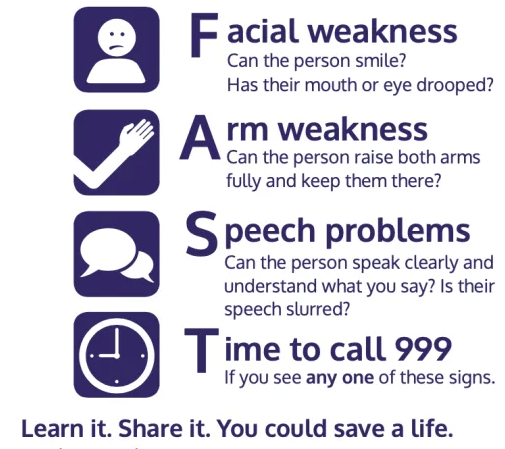
The NHS and Stroke Association use the FAST test to help everyone remember the most common signs of stroke:

  • Face – Has one side of the face dropped? Can the person smile normally?
  • Arms – Can they raise both arms and keep them up, or does one arm drift down?
  • Speech – Is their speech slurred, muddled or hard to understand? Are they struggling to find words?
  • Time – If you see any one of these signs, call 999 immediately. Do not wait to see if it gets better.

Other symptoms can include sudden weakness or numbness on one side of the body, sudden loss of vision or blurred vision, confusion, dizziness, or a sudden, severe headache. But even if you only notice one FAST sign, it is still a medical emergency.

Reducing Risk in Later Life

Some stroke risk factors, such as age and family history, cannot be changed. However, many everyday habits can lower the chance of stroke or a mini‑stroke. Helpful steps include:

  • Keeping blood pressure under control by attending check‑ups and taking prescribed medication as directed.
  • Staying as active as possible – even gentle walking or chair‑based movement can help.
  • Eating a balanced diet, maintaining a healthy weight where possible, and limiting salt and saturated fat.
  • Not smoking, and moderating alcohol intake.

For older adults, these changes are most effective when they are realistic and supported – for example, short walks on good days, small plate changes rather than strict diets, and help from family or carers to attend appointments.

Life After Stroke: support and Small Steps Forward

Life after a stroke can be challenging, but with the right support many people make meaningful progress and continue to enjoy connection, activity and purpose. Recovery is often a long‑term journey, with improvements happening gradually over months or years.

Support can include:

  • Rehabilitation therapies, such as physiotherapy, occupational therapy and speech and language therapy.
  • Adaptations at home, like grab rails, equipment and layout changes to make daily tasks safer and easier.
  • Emotional support for both the person who has had a stroke and their family, who may be adjusting to new routines and roles.
  • Local stroke groups and peer support, where people can share experiences and encouragement.

Altogether Care’s teams are used to working alongside health professionals and families to tailor care around each person’s abilities, goals and preferences – whether that is gentle exercises, support with communication, or confidence‑building around getting out and about again.
How You Can “Make May Purple”

The Stroke Association encourages people to “Make May Purple” by raising awareness and showing support in ways that suit them – from wearing something purple to hosting a small event or sharing information about the FAST signs. In a care setting or family context, this might mean:

  • Talking through the FAST test with relatives, residents and staff.
  • Having a “purple day” with decorations or cakes to start conversations about stroke.
  • Sharing trusted resources with families who want to know more.

If you would like reliable information, support or ways to get involved, these are good places to start:


At Altogether Care, we are here to support people living with the effects of stroke – and the families who care alongside them – with personalised, compassionate care shaped around each person’s needs and hopes for the future.

Get in touch with the Altogether Care team to talk through your situation and explore the support options that could work best for you or your loved one.

Some recent day to day activities