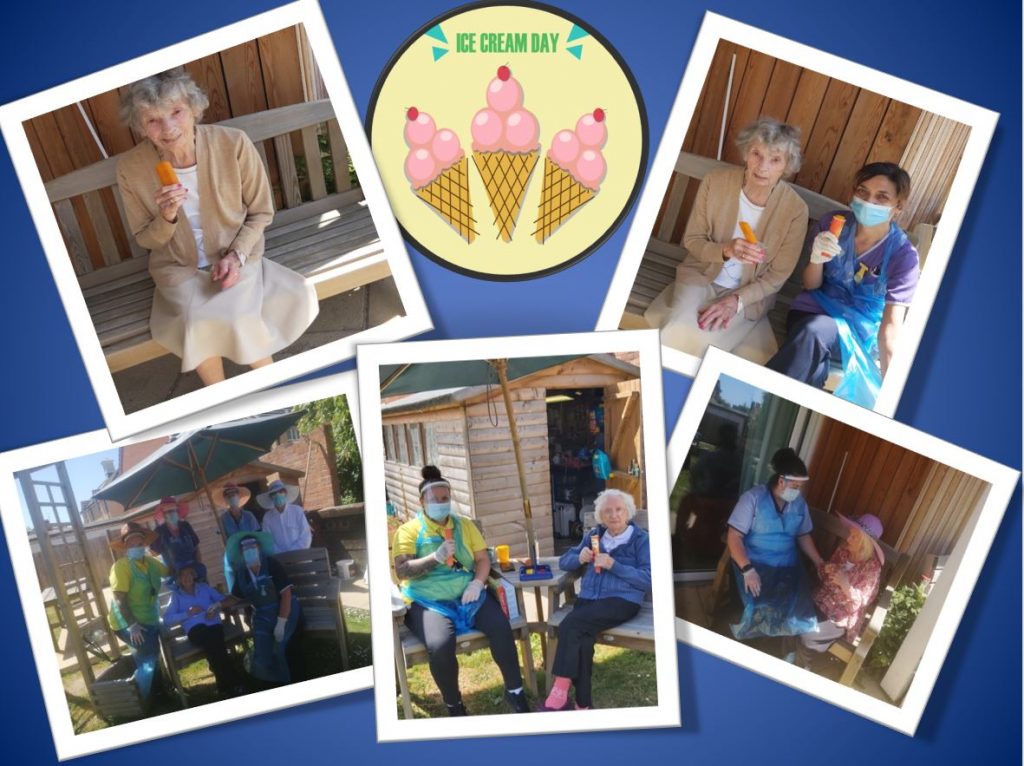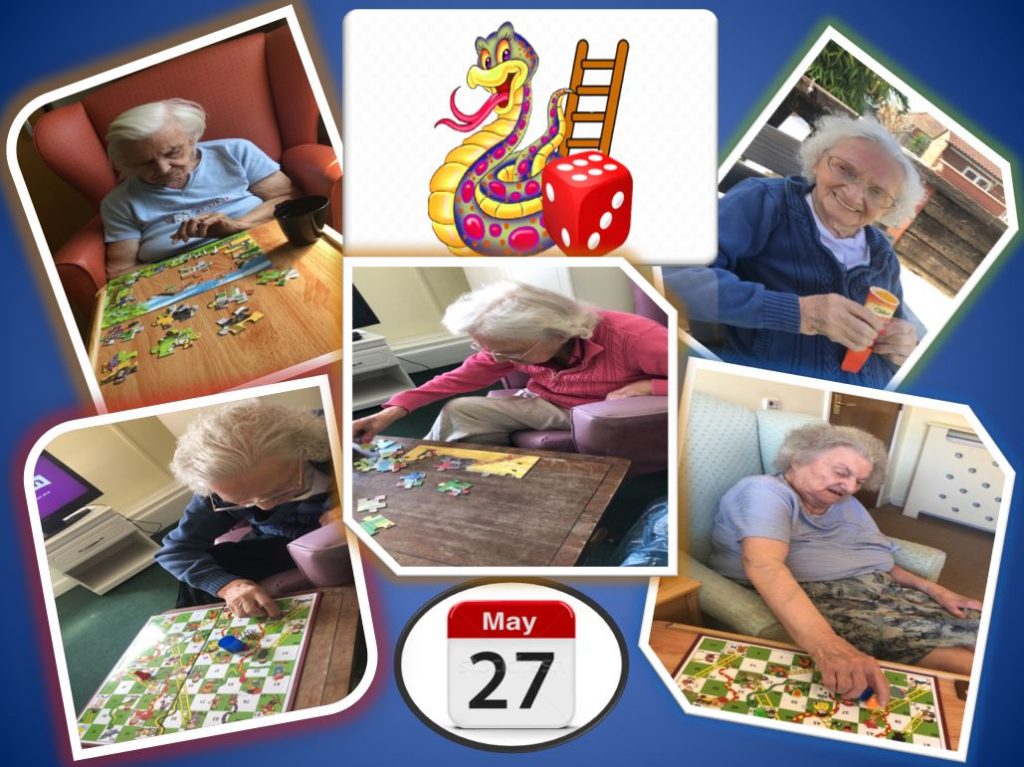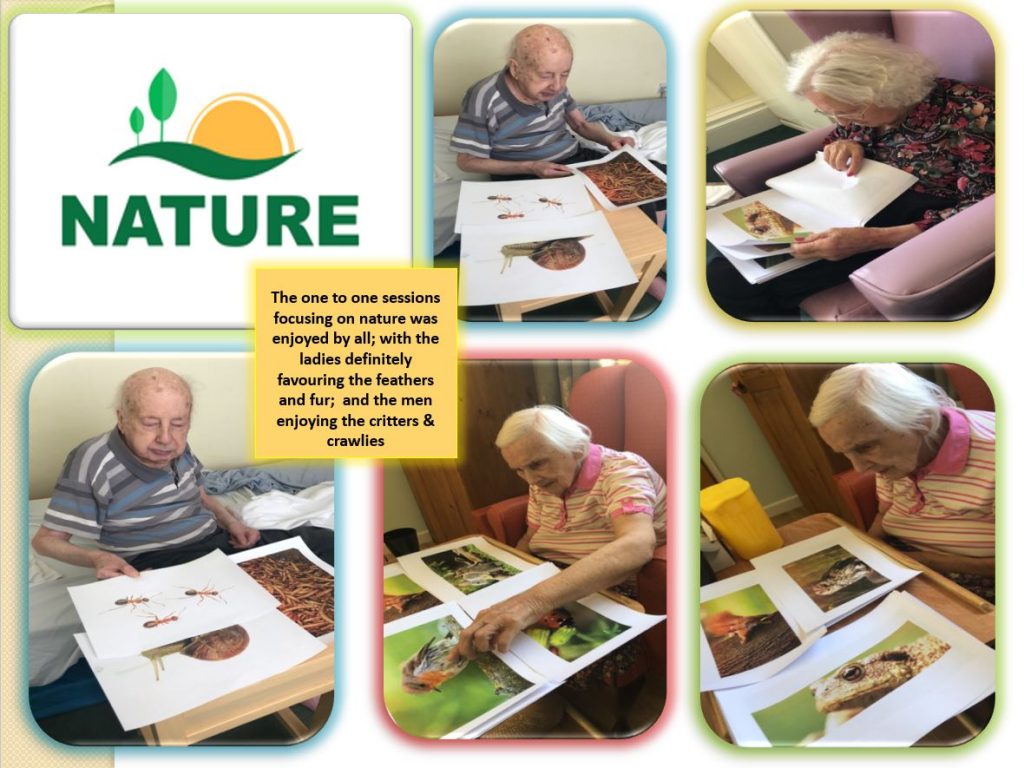
As we get older, the hobbies and pastimes we enjoy can become even more important. They bring structure to the day, lift mood, and keep minds and bodies active. But changes such as reduced vision, joint pain, memory problems or fatigue can sometimes make it harder to carry on with things exactly as before.
At Altogether Care, we believe that growing older should not mean giving up the activities you love – it’s about finding new ways to enjoy them, with the right support, adaptations and a bit of creativity.
Why hobbies matter in later life
Enjoyable activities are much more than “something to pass the time”. Regular hobbies can:
- Support brain health, helping to keep memory, attention and problem‑solving skills working well.
- Reduce stress and anxiety, and provide a sense of calm, purpose and achievement.
- Encourage social contact – whether that is a chat over a jigsaw, a book group, a gardening club or a shared TV programme.
- Help people maintain identity and interests beyond their health conditions or care needs.
Reading is a great example. Studies have linked regular reading in later life with slower cognitive decline and better memory, as well as improved sleep and reduced stress.
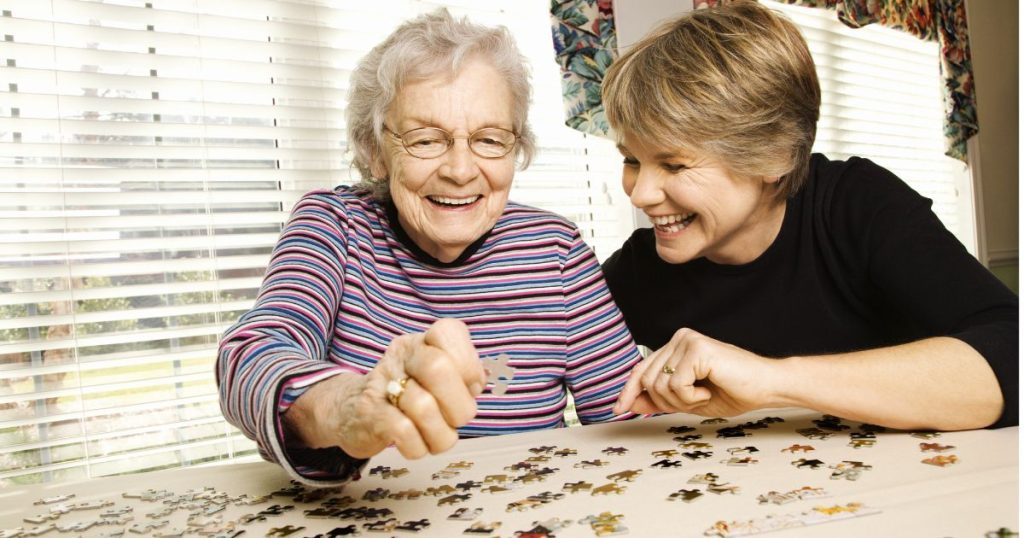
Keeping the joy of reading going
Stories and information can be powerful at any age – whether it’s a favourite novel, a local newspaper or a magazine about a long‑loved hobby. As we get older, though, small print and tired eyes can make reading harder, especially for people with conditions such as macular degeneration, glaucoma or diabetic eye disease.
The good news is that there are many ways to keep reading enjoyable and accessible:
- Large print and high‑contrast text – bigger font sizes, bold print and good lighting can make a huge difference.
- Audiobooks and talking newspapers – ideal for those who prefer to listen, or when eyes feel tired.
- E‑books and tablets – font size, brightness and contrast can often be adjusted at the tap of a button.
- Braille and tactile formats – for people who read by touch, with growing availability of titles and devices.
The RNIB has an excellent guide to different ways to read books and newspapers with sight loss, including audio, large print, braille and digital options: Reading – different ways to read books and newspapers | RNIB.
Adapting other hobbies and pastimes
Many other activities can be adapted so people can continue to enjoy them safely and comfortably:
- Crafts and art – using larger needles or hooks, brighter colours, magnifiers and good task lighting; switching from very detailed work to bigger, bolder projects.
- Gardening – raised beds, lightweight tools, perching stools and help with heavier tasks can keep gardening enjoyable without over‑straining joints.
- Puzzles and games – large‑print crosswords, big‑button playing cards, simple board games and group quizzes all support thinking skills and social connection.
- Music and film – playlists of favourite songs, sing‑along sessions, classic films and subtitled or audio‑described content support mood, memory and conversation.
- Cycling Without Age – helping people who loved to cycle enjoy the ride once again, with the chance to get out and about, feel the fresh air and reconnect with the outdoors in a safe, supported way.
Often, the key is to focus on the feeling the activity gives – calm, connection, creativity – rather than trying to do things exactly as before.
How Altogether Care helps people keep doing what they love
Across our Care Homes and Care at Home services, we work with each person and their family to understand what really matters to them – the pastimes and routines that make them feel most like themselves. This then helps to shape care plans and daily life routines.
Examples include:
- Building reading time into daily routines, whether that is a carer reading aloud, setting up audiobooks, or supporting someone to use a tablet or e‑reader.
- Supporting people to attend clubs, churches or community groups, or bringing similar activities into the home or care setting when getting out is more difficult.
- Adapting activities for people living with dementia, focusing on familiar music, photos, simple crafts or reminiscence materials that spark recognition and comfort.
- Using assistive technology and simple home adjustments to make hobbies safer and easier, such as better lighting, clear walkways and supportive seating.
Our teams are always looking for ways to say “yes” to what people want to keep doing, even if it needs a bit of creative thinking to make it work.
Keeping mind, body and spirit engaged
Enjoying hobbies and interests in later life is not about perfection; it is about keeping mind, body and spirit engaged in ways that feel good, achievable and personal. With the right support and a willingness to adapt, many pastimes can continue to bring joy for years to come.
If you’re exploring care options and want truly person‑centred support – contact Altogether Care to find out more about our services.